


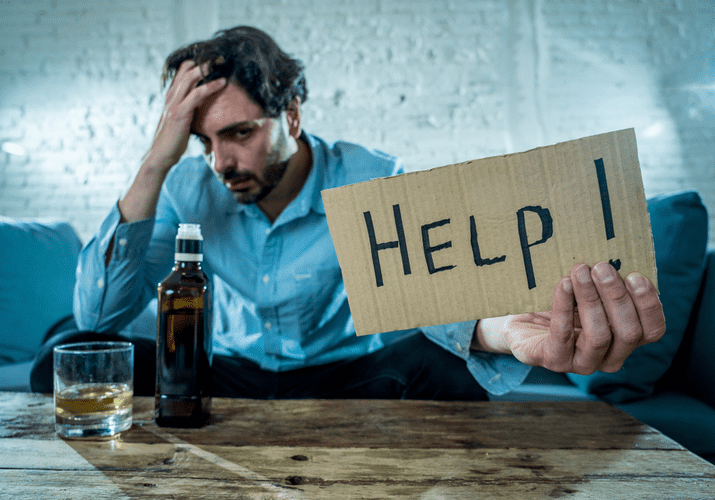
A relapse can be a disheartening setback when you use a substance, such as alcohol or marijuana, especially after promising yourself you wouldn’t. People in recovery may experience a return to a cycle of active addiction when they relapse. While relapse does not mean you can’t achieve lasting sobriety, it can be a disheartening setback in your recovery.
2. Established treatment models compatible with nonabstinence goals
- Following this a decisional matrix can be drawn where pros and cons of continuing or abstaining from substance are elicited and clients’ beliefs may be questioned6.
- Seven of the 39 required additional treatment, 3 being charged for further sexual offenses.
- Of note, alternative definitions of low-level resumption did not change the observed pattern of results.
- You may also have a similar thought to the reward thought after a period of sobriety.
In the journey of overcoming addiction and or abstaining from an unwanted behavior, individuals often encounter a psychological phenomenon known as the abstinence violation effect (AVE). AVE impacts those who are inspired to become abstinent but experience a setback, such as a lapse or relapse. The lapse can then trigger a surge of negative emotions such as a strong sense of guilt or failure. It can lead to a significant loss of motivation and confidence in their ability to maintain their recovery. AVE occurs when someone who is striving for abstinence from a particular behavior or alcoholism treatment substance experiences a setback, such as a lapse or relapse. Instead of viewing the incident as a temporary setback, the individual perceives it as evidence of personal failure, leading to increased feelings of guilt, shame, and hopelessness (Collins & Witkiewitz, 2013; Larimer, Palmer, & Marlatt, 1999).
7 Help for Drug & Alcohol Use
Multiple theories of motivation for behavior change support the importance of self-selection of goals in SUD treatment (Sobell et al., 1992). For example, Bandura, who developed Social Cognitive Theory, posited that perceived choice is key to goal adherence, and that individuals may feel less motivation when goals are imposed by others (Bandura, 1986). Miller, whose seminal work on motivation and readiness for treatment led to multiple widely used measures of SUD treatment readiness and the development of Motivational Interviewing, also argued for the importance of goal choice in treatment (Miller, 1985). Drawing from Intrinsic Motivation Theory (Deci, 1975) and the controlled drinking literature, Miller (1985) argued that clients benefit most when offered choices, both for drinking goals and intervention approaches. A key point in Miller’s theory is that motivation for change is “action-specific”; he argues that no one is “unmotivated,” but that people are motivated to specific actions or goals (Miller, 2006).
The Downward Spiral of Guilt and Shame
- This resistance to nonabstinence treatment persists despite strong theoretical and empirical arguments in favor of harm reduction approaches.
- One possibility is that lapses occurring after longer periods of abstinence taint successful progress accumulated to that point, call the lapser’s ability to maintain abstinence into question, increase attributions of blame, as well as feelings of guilt.
- We will describe the clinical model and the treatment program used at Forensic Psychiatric Hospital Center Veldzicht with a review of our experiences.
- The abstinence violation effect (AVE) occurs when an individual, having made a personal commitment to abstain from using a substance or to cease engaging in some other unwanted behavior, has an initial lapse whereby the substance or behavior is engaged in at least once.
It is essential to understand what individuals with SUD are rejecting when they say they do not need treatment. In this model, treatment success is defined as achieving and sustaining total abstinence from alcohol and drugs, and readiness for treatment is conflated with commitment to abstinence abstinence violation effect (e.g., Harrell, Trenz, Scherer, Martins, & Latimer, 2013). Additionally, the system is punitive to those who do not achieve abstinence, as exemplified by the widespread practice of involuntary treatment discharge for those who return to use (White, Scott, Dennis, & Boyle, 2005). For example, Joe thinks he started smoking after his third quit attempt because he lacks willpower.
This isn’t the only way in which our thinking might become twisted when we experience a lapse in sobriety. Abstinence violation effect fuels our negative cognition, causing us to judge ourselves quite harshly. This is especially true if we are involved in a twelve-step program, as we now realize we must reset our chips.
However, they do not elucidate patterns of non-disordered use over time, nor the likelihood of maintaining drug use without developing a DUD. In addition to shaping mainstream addiction treatment, the abstinence-only 12-Step model also had an indelible effect on the field of SUD treatment https://kaity.muhammadworks.com/vicodin-addiction-symptoms-causes-signs-withdrawal/ research. Most scientists who studied SUD treatment believed that abstinence was the only acceptable treatment goal until at least the 1980s (Des Jarlais, 2017). Abstinence rates became the primary outcome for determining SUD treatment effectiveness (Finney, Moyer, & Swearingen, 2003; Kiluk, Fitzmaurice, Strain, & Weiss, 2019; Miller, 1994; Volkow, 2020), a standard which persisted well into the 1990s (Finney et al., 2003). Little attention was given to whether people in abstinence-focused treatments endorsed abstinence goals themselves, or whether treatment could help reduce substance use and related problems for those who did not desire (or were not ready for) abstinence.
Nicotine replacement therapy
Similarly, the fact he has received aversion therapy does not make the decision regarding his release appreciably easier because success rates with this therapy are not high enough to allow confidence in making individual decisions. Further research is needed to determine the relation of penile volume and other measures to recidivism in this population, to clarify the theoretical nature of aversion therapy and to develop more effective methods of therapy. To gain better understanding into the causes of molesting behaviour in males, we examined a prison cohort of molesters and compared them with a control group comprising thieves. The molesters were older, had attained a higher educational level and were more likely to be married.
Understanding This Common Recovery Hurdle

Of note, alternative definitions of low-level resumption did not change the observed pattern of results. Our analyses also shed light on the role played by NRT assignment, demonstrating the extent to which nicotine patch treatment prevents progression across a series of repeated lapses. Shiffman, Scharf, et al (2006) showed that treatment with high-dose patch impeded overall progression from the first lapse to relapse. The present analysis provides additional detail, demonstrating that active patch slowed progression from each lapse to the next, but that this protective effect was limited to the first 8–10 lapses. This suggests that smokers should be encouraged to remain on treatment even after they have lapsed, at least through the first 8–10 lapses, while persisting in efforts to recover abstinence as soon as possible.
An individual who believes they’ve failed and violated their sobriety goals may begin to think that they’re not good enough to be considered a true abstainer. The important thing to remember is that relapse does not erase all of your progress; rather, it teaches you how to overcome difficult situations as they come. Identify your triggers and create a relapse prevention plan to help in case there’s a next time. However, it’s important to realize that relapse isn’t guaranteed, especially if you are vigilant about managing your recovery. The conscious thought may become that the only way you can cope with your current situation is by taking drugs or alcohol. Unconscious cravings may turn into the conscious thought that the drug or alcohol is all you need to cope.


 Skip to content